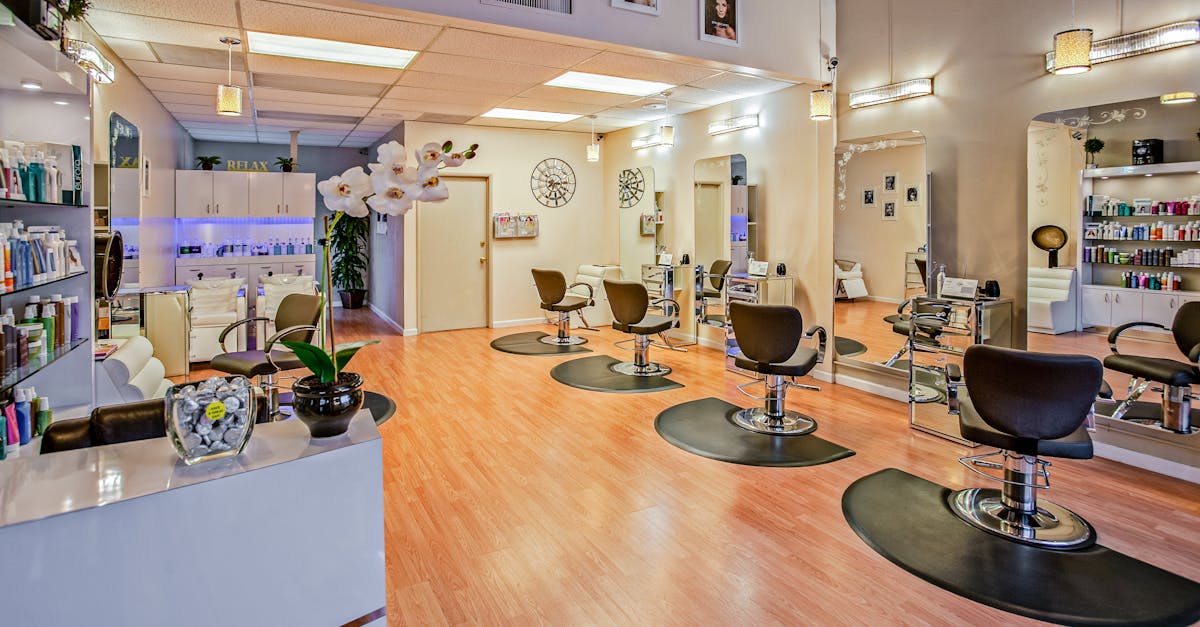
Hair services are one of the most recession-resistant businesses in consumer spending. People get haircuts whether times are good or tight, and a well-run salon builds a loyal client base that comes back every 4–8 weeks like clockwork. If you’re considering how to open a hair salon, you’re entering a business with real staying power — but only if you do the groundwork right.
Opening a hair salon involves more than finding a space and buying chairs. You need a business plan, the right licenses, a clear pricing strategy, and a marketing plan that brings clients through the door from day one. Skip any of these steps and you’ll spend your first year fixing mistakes that cost more than they would have to prevent.
This complete guide covers everything you need to know: startup costs, business models, legal requirements, salon equipment, staffing, online presence, and a grand opening plan. By the end, you’ll know exactly what it takes to open your own hair salon and run it profitably.
The cost to open a salon varies widely depending on whether you’re building a new business from scratch or taking over an existing salon, and whether you’re in a small town or a major city. Budget between $50,000 and $250,000 for a traditional brick-and-mortar salon. Home-based or mobile setups start much lower — around $3,000 to $10,000.
| Expense | Existing Salon Takeover | New Salon Build-Out |
|---|---|---|
| Rent deposit (2–3 months) | $4,500 | $4,500 |
| Salon buyout / leasehold improvements | $10,500–$15,000 | $35,000 |
| Equipment and furniture | $10,000 | $25,000–$27,000 |
| Initial supplies and product inventory | $12,000 | $12,000 |
| Licenses and certifications | $4,000 | $4,000 |
| Marketing and branding | $5,000 | $8,000 |
| Legal and consulting fees | $1,000 | $1,000 |
| Estimated Total | ~$62,000 | ~$90,000+ |
Beyond startup costs, plan for ongoing monthly expenses: rent ($700–$2,000/month depending on city and size), insurance ($50–$250/month), booking software, utilities, and product restocks. Keep 3–6 months of operating expenses in reserve before you open — cash flow gaps in months 2–4 are one of the most common reasons new salons close.
Before spending money on anything else, decide what type of salon you want to run and how it will operate. The business model you choose affects your income structure, staffing approach, licensing requirements, and how much control you have over the client experience.
You hire stylists as employees and pay them a percentage of their service revenue — typically 45–60%. You set the prices, control the scheduling, and build a consistent team culture. This model works well for owners who want to build a successful salon with a recognizable brand and strong service standards. The tradeoff: higher overhead, payroll taxes, and employment obligations.
You rent individual styling stations to independent contractors for a fixed weekly fee — usually $100–$400 per chair per week. Stylists set their own prices, keep their own revenue, and manage their own clients. Your income is predictable (chair rent), and your staffing overhead is low. You have less control over pricing and the client experience, but your financial risk is lower.
You rent fully enclosed private rooms to independent stylists for $200–$500 per week. Suite rental is the fastest-growing segment in the beauty industry because stylists increasingly want privacy and autonomy. As the property owner, your role is managing the space rather than running a traditional salon floor.
The most affordable option — convert a room in your home into a salon. Startup costs start at $3,000–$10,000. Many states and municipalities restrict home salon operations through zoning laws, so confirm local regulations before investing in a home setup.
| Model | Startup Cost | Income Source | Staffing Control | Best For |
|---|---|---|---|---|
| Commission-based | $50,000–$250,000 | % of service revenue | High | Building a branded salon team |
| Booth rental | $50,000–$150,000 | Fixed weekly chair rent | Low | Lower-risk ownership model |
| Salon suite | $30,000–$80,000 | Fixed weekly suite rent | Very low | Property-focused ownership |
| Home-based | $3,000–$10,000 | Service revenue | Full | Solo stylists with limited startup capital |
Once you’ve decided on the model that fits your goals, the path from idea to open salon becomes much clearer. Here are the 11 steps to get there.
Before writing a business plan or signing a lease, get clear on exactly what kind of salon you want to run. Are you targeting budget-conscious clients, mid-market demographics, or a luxury clientele? Will you specialize in color, extensions, natural hair, or run a full-service beauty salon?
Your concept shapes your location choice, pricing, equipment needs, and brand identity. A specialty salon — a natural hair studio, a kids’ salon, or a color-focused boutique — is often easier to market than a generic “we do everything” shop. Niche salons tend to build loyal client bases faster because they speak directly to a specific type of client.
Think about who your ideal client is, what they value, and what they can’t easily find in your area. This is the gap the right salon concept fills. Other service-based businesses, like coffee shops, go through the same process — defining a concept before spending money saves costly pivots down the road.
A business plan isn’t just a document for getting a loan — it’s a roadmap that forces you to think through every part of your business before problems appear. A solid hair salon business plan should cover:
Taking the time to create a business plan also helps you spot weaknesses before they become expensive problems. If your projections don’t reach break-even for 18 months, you know you need more capital before you open. This detailed business plan guide has tips to help you structure financials and projections — the same framework applies to a salon.
Most salon owners choose a business structure like a sole proprietorship, LLC, or S-Corp. An LLC is the most common choice because it separates your personal assets from business liabilities without the complexity of a full corporation.
Once you’ve chosen a structure:
If you plan to hire employees, you’ll also need to register for state and local payroll taxes and set up workers’ compensation insurance.
Unless you have $50,000–$150,000 in savings, your new business needs outside funding. Common options include:
If startup capital is tight, a booth rental or salon suite model requires significantly less upfront investment than a full commission salon.
The requirements to open a hair salon vary by state, but obtaining the necessary licenses typically involves the following:
Budget around $2,500–$4,000 annually for all licenses and permits combined. Check your state’s cosmetology board website for current laws and regulations — these rules change regularly, and operating without the necessary licenses can mean fines and forced closure.
Location is one of the highest-impact decisions you’ll make. A bad location can undermine even a talented team, so the space you choose matters as much as the services you offer. Look for:
Commercial rent for salon space typically runs $10–$25 per square foot per year, and new build-out costs run $50–$75 per square foot. Have a commercial real estate attorney review any lease before you sign — the devil is always in the details.
Your salon layout affects client experience, workflow speed, and safety compliance. Every salon needs these key zones:
For salon equipment, here are typical costs when outfitting a new salon from scratch:
| Equipment Item | Estimated Cost |
|---|---|
| Styling chairs (per chair) | $200–$1,000 |
| Shampoo bowls and chairs (per unit) | $500–$2,000 |
| Styling mirrors and stations (per unit) | $300–$800 |
| Hood dryers (per unit) | $200–$600 |
| Reception desk and waiting furniture | $1,500–$5,000 |
| Color carts and supply storage | $300–$600 |
| Towels, capes, and linens (opening stock) | $500–$1,500 |
| Total equipment (6-chair salon) | ~$15,000–$27,000 |
Order equipment at least 8–12 weeks before your target opening date. Shipping delays are common, and you cannot open without chairs.
Your service menu is your sales foundation. It tells clients what you offer and at what price — and it signals your positioning in the market. The experience you want clients to have starts with what they see before they ever walk through the door.
Start by listing every service you’ll offer: haircuts (men, women, children), blowouts, color, highlights, balayage, treatments, extensions, and any specialty services. Then price each service based on three factors:
For a detailed walkthrough of pricing your services profitably, use a cost-plus approach: calculate your total cost to deliver each service, add your desired profit margin, and compare to competitors to make sure you’re in a range the market will support.
Once you’ve built your service list, make it easy for potential clients to find and read. Most people check prices online before booking — if your pricing isn’t easy to access, you’re losing clients to salons that make it obvious. A digital service menu lets you display your full price list on any device, update prices instantly when they change, and share a clean link on your website, Instagram bio, and Google Business Profile. You can also place a QR code menu at your reception desk so walk-in clients can browse services while they wait — no printed brochure needed.
The quality of your stylists directly determines your salon’s reputation and whether you build a loyal clientele. Hiring right is worth taking extra time.
For a commission-based salon, look for stylists with:
Beyond stylists, consider a receptionist for higher-volume salons, a shampoo assistant or apprentice to help senior stylists, and cleaning staff. Assistants free up senior stylists for more billable appointments, directly improving revenue per hour.
Invest in onboarding. Create a staff training manual that covers your salon’s service standards, booking procedures, client communication expectations, and hygiene protocols. Consistent processes are what keep clients satisfied and allow a salon to scale beyond one or two stylists without quality slipping.
According to the U.S. Bureau of Labor Statistics, the median annual wage for hairdressers and cosmetologists is around $33,400, though experienced color specialists in major cities earn considerably more. Factor realistic salary costs into your projections when planning your team size.
Most clients search online before they book. If your salon isn’t easy to find and doesn’t look professional digitally, you’re starting at a disadvantage — even if your work is excellent.
Set these up before you open:
Menubly lets you create a digital service price list and a simple link-in-bio page in minutes — no coding needed. Share one link on Instagram and it brings clients to your full service menu, prices, and booking details. At $9.99/month with a free 30-day trial, it’s one of the lowest-cost tools that makes a real difference on first impression. For more detail on building your digital presence, see these Instagram marketing tips and this guide to digital marketing for service businesses.
Marketing before you open your salon is just as important as marketing after. Your goal in the weeks leading up to launch: build an audience, generate early bookings, and create enough local awareness that your salon is busy from week one.
Pre-opening marketing:
Grand opening: Plan a launch event — even a simple one. A ribbon-cutting with free consultations, a styling demo, or a small raffle drives foot traffic and photo opportunities. These grand opening marketing ideas translate directly to the salon context and help you generate buzz on launch day. Consider running a soft opening a week or two beforehand with a small invited group — it lets you refine your workflow before you open to the public.
Ongoing marketing after opening: Focus on how to attract and retain clients through loyalty programs and referrals. A satisfied client who books every 6 weeks is worth far more than a one-time visitor — and a steady stream of returning clients drives long-term business growth. Read this guide on marketing ideas for service businesses for tactics you can adapt to your salon, including loyalty programs, seasonal promotions, and referral incentives.
By this point you’ve covered the core steps to open a hair salon. What follows are the practical tools, checklists, and financial reality checks that help you stay on track once the doors are open.
Use this opening a salon checklist to track your progress from planning to opening day.
Business Planning
Financing and Legal
Location and Setup
Operations and Marketing
A successful salon business can be profitable, but the margins are tighter than most people expect. The salon industry rewards operators who watch the details closely. The average salon operates on a net profit margin of 5–8%. Top-performing salons — those with high client retention, strong retail sales, and efficient scheduling — reach 10–17%.
The most common profit drains are:
As a salon owner, your personal income depends on your business model, team size, and location. Most salon owners earn between $40,000 and $80,000 per year, similar to other small service business owners. Owners of multi-location salons or high-end destination salons can earn well above that range.
The path to profitability typically takes 6–18 months from opening. Plan your cash reserves with that timeline in mind.
You need a cosmetology license to personally perform hair services in any beauty salon. To own a salon without working as a stylist, most states don’t require a personal cosmetology license — but your salon still needs an establishment license from the state, and every stylist you hire must hold their own valid license. Requirements vary by state, so check with your state’s cosmetology board directly.
From the decision to open to your first client in the chair, expect 6–12 months for a traditional salon. Business planning and financing typically take 1–3 months. Finding a location, negotiating a lease, and completing build-out adds another 2–4 months. Licensing, equipment ordering, and hiring add another 1–3 months. Home-based or salon suite setups can move faster — sometimes 2–3 months from start to open.
It’s difficult to start a salon with zero capital, but there are lower-cost entry points. Renting a booth at an established salon has minimal startup cost ($0–$5,000) and lets you build a client base before moving into ownership. A home-based salon starts at $3,000–$10,000. SBA microloans (up to $50,000) and small business grants are worth pursuing if your savings are limited. Starting small and scaling up is often safer than taking on large debt at the start.
You’ll typically need a state salon establishment license, a local business license, a zoning or occupancy permit, health department clearance, and a seller’s permit if you sell retail products. Some states also require a fire inspection clearance. Budget $2,500–$4,000 annually for all permit and license fees combined. Operating without required permits can result in fines or forced closure, so get all your paperwork in order before opening day.
Look for high-visibility locations with parking, a client base that matches your target demographic, and manageable rent (aim for rent below 10% of projected monthly revenue). Strip malls and small commercial corridors near residential neighborhoods often provide a good balance of foot traffic and affordable rents. Always confirm zoning approval for salon operations before signing a lease — not all commercial zones permit salon use.
In a commission-based salon, stylists are employees — you pay them 45–60% of service revenue and control scheduling, pricing, and brand standards. In a booth rental salon, stylists are independent contractors who pay you a fixed weekly fee ($100–$400) to use a station and manage their own clients and prices. Commission-based builds a more cohesive brand; booth rental gives the owner lower overhead and predictable rent income with less operational involvement.
A single stylist — you — can run a home-based or single-chair studio. A viable 6-chair commission salon typically needs at least 4–6 stylists to cover operating costs from the start. Don’t open with empty chairs — it signals a struggling business and wastes money. Hire the team you can fill realistically in month one and add stations as demand grows.
Invest in a scheduling and booking system before day one. Establish clear policies for no-shows and late cancellations — these cost real money. Track revenue per stylist weekly so you can spot performance issues early. Review profit margins monthly and adjust pricing, staffing, or costs when margins slip.
Whether you want to open your own salon from home or build a multi-chair operation, opening a hair salon takes planning, capital, and patience — but it’s one of the most rewarding service businesses to build. The beauty industry has consistent demand, a strong community of loyal clients, and real room for owners who take both the craft and the business side seriously.
Start with a clear concept. Write a real business plan. Get your licensing in order before you spend money on build-out. And set up your online presence before you open the doors — clients who can find your services, check your prices, and book online are more likely to show up and more likely to come back.
If you want to make your service menu easy to find and share from day one, try Menubly free for 30 days. Create a digital price list in minutes, generate a QR code for your reception desk, and share one link across all your social profiles — no technical setup required.