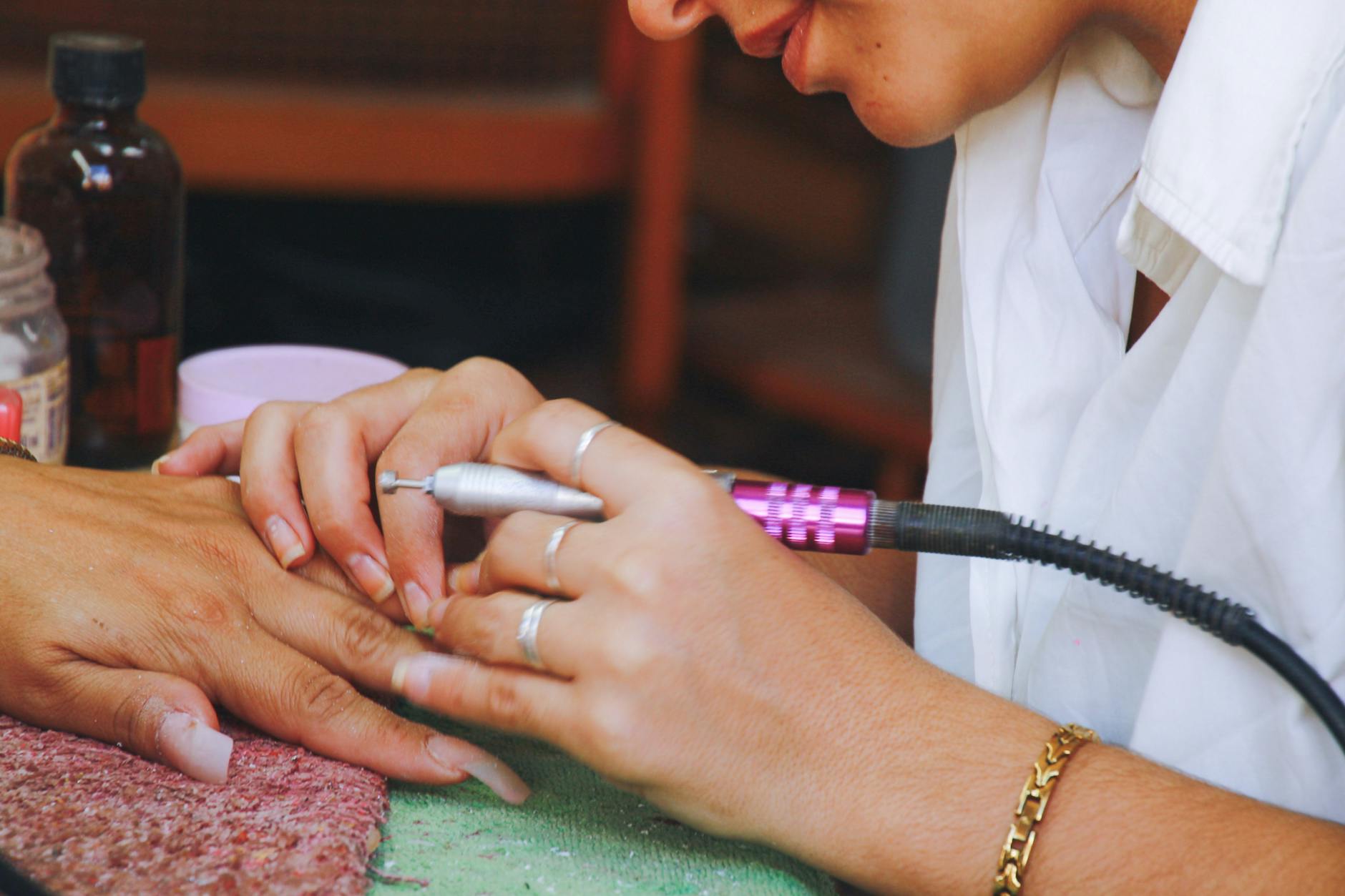
The U.S. nail salon industry generates over $8 billion in annual revenue, with more than 55,000 salons operating across the country. But before you can welcome your first client through the door, you need to clear one major hurdle: getting the right permits and licenses.
Every state has its own rules for nail salon permits, and missing even one required license can result in fines, forced closure, or legal trouble. The good news? The process is straightforward once you know what to expect.
This guide covers every permit and license you need to open a nail salon, how much each one costs, where to apply, and a step-by-step process to get everything in order. Whether you’re starting a nail salon from scratch or taking over an existing business, you’ll know exactly what paperwork to handle before opening day.
Nail salon permits fall into three categories: professional licenses (for you and your staff), business licenses (to operate legally), and health and safety permits (to protect your clients). The exact requirements depend on your state and city, but most nail salons need the following:
| Permit / License | Issued By | Typical Cost | Required? |
|---|---|---|---|
| Nail Technician License | State cosmetology board | $50–$200 | Yes (49 states) |
| General Business License | City or county clerk | $50–$500 | Yes |
| Salon Establishment License | State cosmetology board | $50–$300 | Yes (most states) |
| Health and Safety Permit | Local health department | $50–$300 | Yes |
| Certificate of Occupancy | Local building department | $50–$200 | Yes |
| Employer Identification Number (EIN) | IRS | Free | Yes (if hiring) |
| Sales Tax Permit | State tax authority | Free–$50 | Yes (most states) |
| Sign Permit | City planning department | $100–$1,000+ | Varies by city |
Let’s break down each one so you know exactly what’s involved.
A nail technician license is the most important credential you need before touching a client’s nails. With the exception of Connecticut, every state in the U.S. requires nail technicians to hold a valid license. Some states call it a “manicurist license” or “nail specialty license,” but they all serve the same purpose: proving you’ve completed the required training and passed a competency exam.
The number of training hours required varies widely by state. Most states require between 300 and 600 hours of coursework at a state-approved nail technology school. Here are a few examples:
Your training will typically cover nail anatomy, sanitation and disinfection procedures, manicure and pedicure techniques, nail art, artificial nail application, and state laws related to the profession.
After completing your training, you’ll need to pass a licensing exam. Most states require both a written (theory) exam and a practical (hands-on) exam. The written portion tests your knowledge of sanitation, nail diseases, chemistry, and state regulations. The practical portion requires you to demonstrate nail care techniques on a live model or mannequin hand.
Exam fees typically range from $50 to $150, depending on the state. If you don’t pass on your first attempt, most states let you retake the exam after a waiting period.
If you own the salon but won’t be performing nail services yourself, you generally don’t need a personal nail technician license. However, you’ll still need a salon establishment license (covered below), and every technician you hire must hold their own valid license. If you plan to do nails alongside managing the business, you’ll need both.
Some aspiring salon owners wonder whether they need a cosmetology license or a nail technician license. The short answer: a nail technician license is enough if you’re only offering nail services. A cosmetology license is broader and covers hair, skin, and nails.
| Feature | Nail Technician License | Cosmetology License |
|---|---|---|
| Services covered | Manicures, pedicures, nail art, artificial nails | Hair, skin, nails, makeup |
| Training hours | 150–600 hours | 1,000–1,600 hours |
| School cost | $3,000–$10,000 | $5,000–$20,000 |
| Time to complete | 3–9 months | 9–24 months |
| Best for | Nail-only salons | Full-service beauty salons |
If you plan to expand into hair salon services or other beauty treatments down the road, a cosmetology license gives you more flexibility. But for a dedicated nail salon, the nail technician license is the faster and more affordable path.
A general business license gives you legal permission to operate a commercial business in your city or county. Almost every nail salon needs one, regardless of the state.
You can typically apply for a business license at your city or county clerk’s office, or through their website. The application asks for basic information about your business: name, address, type of business, and ownership structure.
Business license fees range from $50 to $500 per year, depending on your location and the size of your salon. Some cities calculate the fee based on your projected annual revenue.
Before applying, you’ll need to choose a business structure. Most nail salons register as a sole proprietorship, LLC, or corporation. An LLC is the most popular choice because it protects your personal assets from business liabilities. If you haven’t already, writing a nail salon business plan can help you decide on the right structure.
In addition to individual technician licenses, most states require a separate salon establishment license to operate the physical space where nail services are performed. This license is issued by your state’s cosmetology or barbering board.
To get this license, your salon must meet specific physical requirements, including:
A state inspector will typically visit your salon before issuing the license to confirm you meet all requirements. This inspection may be scheduled or unannounced, depending on the state. The establishment license usually costs between $50 and $300 and needs to be renewed every one to two years.
Health and safety permits protect your clients from infections and sanitation issues. Your local health department issues these permits after verifying that your salon follows proper hygiene protocols.
Health inspectors will evaluate:
Failing a health inspection can delay your opening or shut down your salon temporarily. Keep detailed records of your cleaning procedures and schedule regular self-inspections to stay ahead of any issues.
Health permit fees typically range from $50 to $300, with annual renewal required in most areas.
A certificate of occupancy (CO) confirms that your salon space meets all local building codes and is safe for commercial use. Your local building department issues this document after a building inspection.
The inspection covers:
If you’re moving into a space that was previously used as a salon or retail shop, you may already have a CO on file. But if you’re renovating a space or changing its use from, say, an office to a nail salon, you’ll need a new CO. Building permits for renovation work are separate and can cost anywhere from a few hundred to several thousand dollars, depending on the scope of the project.
A standard certificate of occupancy costs between $50 and $200.
Beyond the core permits above, there are several additional requirements that apply to most nail salons.
If you plan to hire employees — which most nail salons do — you’ll need an EIN from the IRS. This is your business’s tax identification number, used for filing employment taxes, opening a business bank account, and completing other federal paperwork. Applying for an EIN is free and can be done online at IRS.gov in about 15 minutes.
Most states require nail salons to collect sales tax on services and retail products (nail polish, accessories, gift cards). A sales tax permit, sometimes called a seller’s permit or resale certificate, allows you to legally collect and remit these taxes. You can apply through your state’s department of revenue. The permit is usually free or costs under $50.
If you want to put up a sign outside your salon — and you should — many cities require a sign permit. The permit ensures your signage follows local rules on size, lighting, placement, and style. Sign permit fees range from $100 to $1,000+, depending on the sign type and your city’s regulations.
A zoning permit confirms that your chosen location is approved for commercial use and specifically for a nail salon business. Check with your city’s planning or zoning department before signing a lease. If the space is already zoned for retail or personal services, you’re typically in good shape. If not, you may need to apply for a zoning variance, which can add weeks or months to your timeline.
While not technically a “permit,” business insurance is required by many landlords and some states before you can open. At minimum, most nail salons carry:
Getting insured before you open protects your business from unexpected costs. Many insurance providers offer bundled policies for beauty and salon businesses that can save you money compared to buying individual policies.
Now that you know which nail salon permits and licenses you need, let’s look at how much everything costs and the step-by-step process to get them.
The total cost for all your nail salon permits and licenses typically ranges from $500 to $2,500, not including nail technician school tuition or salon build-out costs. Here’s a breakdown:
| Permit / License | Low-End Cost | High-End Cost | Frequency |
|---|---|---|---|
| Nail technician school tuition | $3,000 | $10,000 | One-time |
| Nail technician licensing exam | $50 | $150 | One-time |
| Nail technician license | $30 | $200 | Every 1–2 years |
| General business license | $50 | $500 | Annual |
| Salon establishment license | $50 | $300 | Every 1–2 years |
| Health and safety permit | $50 | $300 | Annual |
| Certificate of occupancy | $50 | $200 | One-time |
| EIN | Free | Free | One-time |
| Sales tax permit | Free | $50 | One-time |
| Sign permit | $100 | $1,000 | One-time |
| Business insurance | $1,200 | $4,300 | Annual |
Keep in mind that these costs are separate from your build-out expenses, equipment, initial product inventory, and first month’s rent. For a full breakdown of startup costs, check out our guide on how much salon owners make to understand the earning potential as well.
Getting all your permits in the right order saves time and prevents delays. Here’s the process most nail salon owners follow:
Enroll in a state-approved nail technology program and complete the required training hours for your state. Research schools in your area and compare tuition, schedule flexibility, and pass rates. This is the longest step — expect 3 to 9 months depending on your state’s hour requirements and whether you attend full-time or part-time.
Register for and pass both the written and practical portions of your state’s nail technician exam. Study guides and practice tests are available through your state cosmetology board’s website. Once you pass, apply for your license through the board.
Decide whether to operate as a sole proprietorship, LLC, or corporation. Register your business name with your state’s Secretary of State office. If you go with an LLC, you’ll get liability protection that separates your personal finances from the business. Having a solid business plan in place before this step helps you make smarter decisions about structure, location, and financing. Similar to getting a food truck permit, the key is starting the paperwork early so everything is ready when you need it.
Apply for your EIN on the IRS website — it takes about 15 minutes. Then open a business bank account to keep your salon finances separate from personal ones. You’ll need the EIN for tax filings, hiring employees, and setting up payment processing.
Before signing a lease, verify with your city’s planning department that the location is zoned for a nail salon. Ask the landlord if the space already has a certificate of occupancy for commercial or personal service use. This can save you thousands in renovation and permitting costs.
Visit your city or county clerk’s office (or their website) to apply for your general business license. At the same time, apply for your salon establishment license through the state cosmetology board, your health permit through the local health department, and your sales tax permit through the state revenue department. Many of these applications can run in parallel, so submit them all at once to avoid unnecessary waiting.
Schedule and pass your health inspection and building inspection. Make sure your salon meets all ventilation, sanitation, and safety requirements before the inspector arrives. Common reasons for failing include poor ventilation in acrylic application areas, missing fire extinguishers, and insufficient disinfection equipment.
Purchase your general liability, professional liability, and workers’ compensation insurance. Apply for a sign permit and install your salon signage according to local regulations.
Once your permits are in order, set up your salon’s online presence so clients can find you and see your services before they walk in. Create a service price list and share it online through your website and social media profiles. A service website builder like Menubly lets you build a professional digital service menu and simple website in minutes — for $9.99/month — so clients can browse your services, prices, and book directly. You can also generate a QR code to display in your salon window or at the front desk.
With all your permits secured, insurance in place, and your online presence set up, you’re ready to welcome your first clients. Keep all your license documents displayed in a visible area of the salon — most states require this. Set a calendar reminder for renewal dates so you never operate with an expired license.
Many first-time nail salon owners run into avoidable problems during the licensing process. Watch out for these:
Staying organized from day one is the best way to avoid these headaches. Keep a folder — physical or digital — with copies of every license, permit, inspection report, and insurance policy.
If you’re only managing the business and not performing nail services, you generally don’t need a personal nail technician license. However, you’ll still need a general business license, salon establishment license, health permits, and other standard business permits. Every nail technician you employ must hold their own valid state-issued license.
The timeline varies, but most owners can complete all permitting in 4 to 12 weeks after finishing their nail technician training. Business licenses often process in a few days to two weeks. Salon establishment licenses and health permits may take longer because they require inspections. Submit all applications as early as possible and follow up weekly to keep things on track.
Some states and cities allow home-based nail salons, but requirements are strict. You’ll typically need a separate entrance for clients, a dedicated room that meets commercial sanitation standards, proper ventilation, and zoning approval for a home business. States like Maryland and New York have particularly strict regulations that make home-based salons difficult. Always check your local zoning laws and state cosmetology board rules before investing in a home salon setup.
Operating without required permits can result in fines, forced closure, and legal action. Penalties vary by state, but fines can range from a few hundred dollars to $10,000 or more for repeat violations. Beyond the financial penalties, operating illegally damages your reputation and makes it harder to get licensed later.
Most permits don’t transfer automatically. You’ll need to apply for new licenses in your own name, even if the previous owner had everything in order. The salon establishment license and health permits are tied to the physical location, so they may transfer more easily, but you’ll still need to notify the relevant agencies and complete any required inspections.
The total licensing cost (not including school tuition) typically ranges from $500 to $2,500, depending on your state and city. Nail technician school tuition adds another $3,000 to $10,000. If you’re also counting insurance and sign permits, budget an additional $1,500 to $5,000 for the first year.
Yes. Each nail technician working in your salon must hold their own valid state license. As the salon owner, you’re responsible for verifying that every employee’s license is current. Keep copies of all employee licenses on file and check expiration dates regularly.
The terms “permit” and “license” are often used interchangeably, but there’s a subtle difference. A license is typically a professional credential (like a nail technician license) that proves qualification. A permit is an authorization to perform a specific activity (like a health permit or building permit). For practical purposes, you need both to operate a nail salon legally.
The permit types are similar — both need business licenses, health permits, and establishment licenses. The main difference is the professional license: nail salons require nail technician licenses, while hair salons require cosmetology licenses. Hair salons may also face additional requirements for chemical storage and ventilation related to hair coloring products.
Yes. Adding services beyond basic nail care usually requires additional licenses or certifications. Waxing may require an esthetician license in your state, and eyelash extensions often require a separate certification. Check with your state cosmetology board before expanding your service menu. If you’re considering a broader range of services, you might want to look into a full spa business plan instead.
Opening a nail salon takes more paperwork than many new owners expect, but each permit exists to protect your business, your clients, and your reputation. Start the licensing process early, stay organized, and don’t cut corners on health and safety requirements — they’re what separate professional salons from risky operations.
Once your permits are in place, focus on building a strong social media presence, running salon promotions, and making it easy for clients to discover your services online. A professional online service menu helps potential clients see your offerings and prices before they book — which builds trust and drives more walk-ins.
Ready to showcase your nail salon services online? Menubly gives you a professional digital service menu, simple website, and QR code — all for $9.99/month. Try Menubly free for 30 days, no credit card required.